Digital Twins: The Future of Simulation, Monitoring, and Optimization in Industry 4.0.
Introduction 👀
In the era of digitalization and Industry 4.0, digital twins have emerged as one of the most innovative and promising technologies. What exactly are digital twins, and how are they transforming various industrial sectors? This article explores the concept of digital twins, their applications, benefits, and the future of this fascinating technology.
What are Digital Twins? 🤷♂️
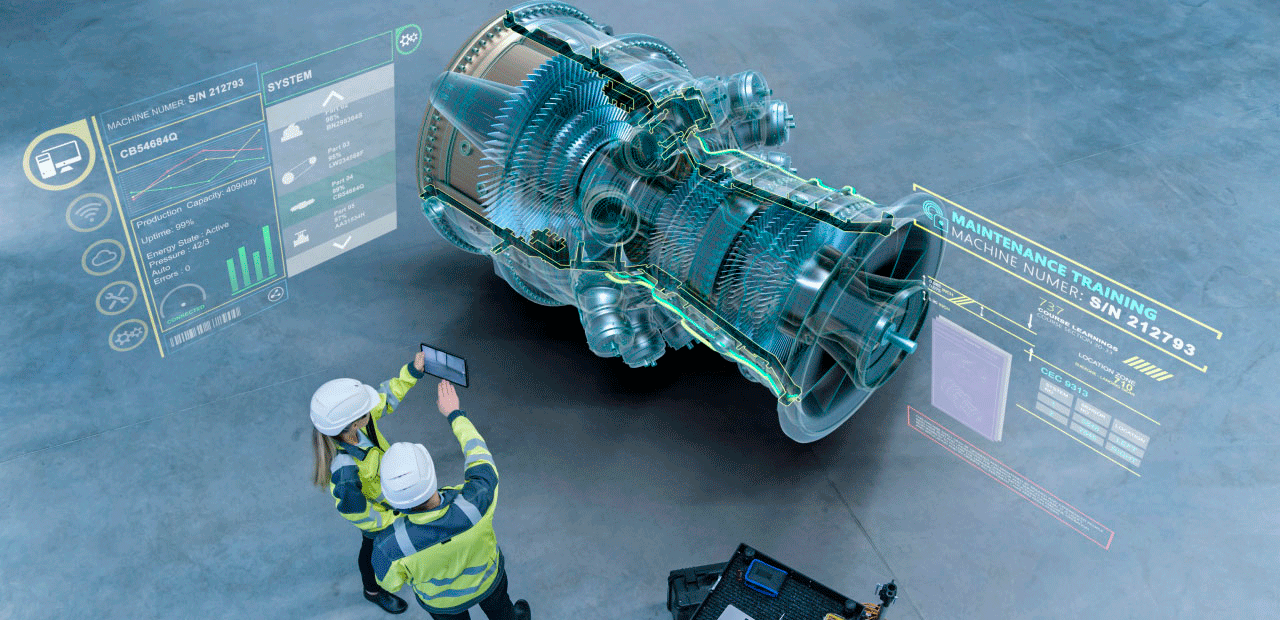
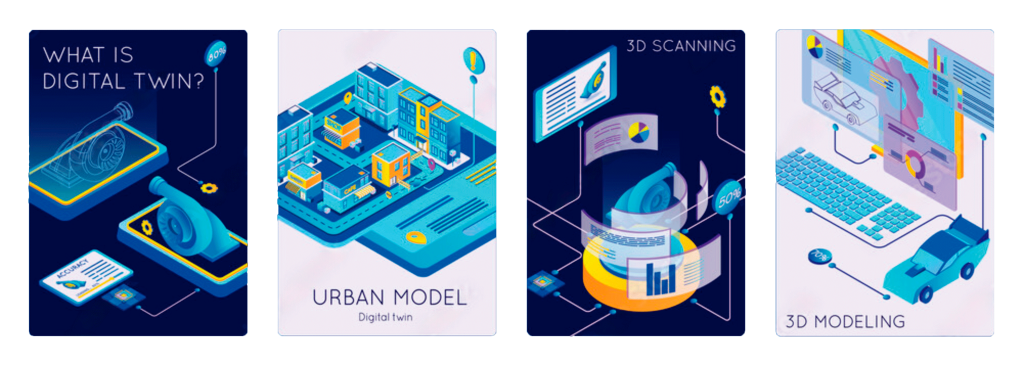
A digital twin is a virtual replica of a physical object, system, or process. It uses real-time data and simulations to reflect the behavior and state of the physical counterpart. This bidirectional connection allows any changes in the physical object to be reflected in the digital twin and vice versa.
🧩 Key Components
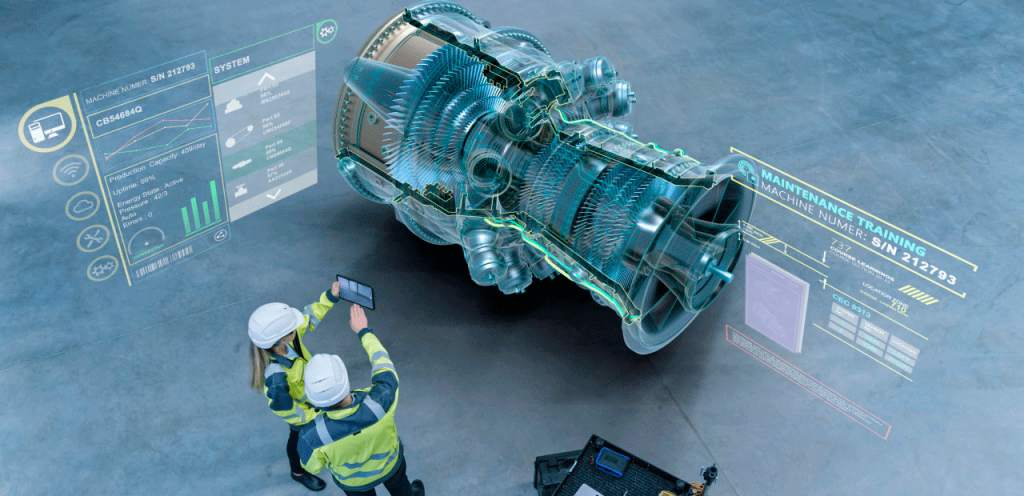
- 🧭 Virtual Model: Represents the physical object.
- 🧭 Sensors and Actuators: Collect and transmit real-time data.
- 🧭 Analytics Platform: Processes data to generate insights and simulations.
- 🧭 Connectivity: Enables continuous communication between the digital twin and the physical object.
🏭 Applications of Digital Twins
🏗️ Manufacturing and Production
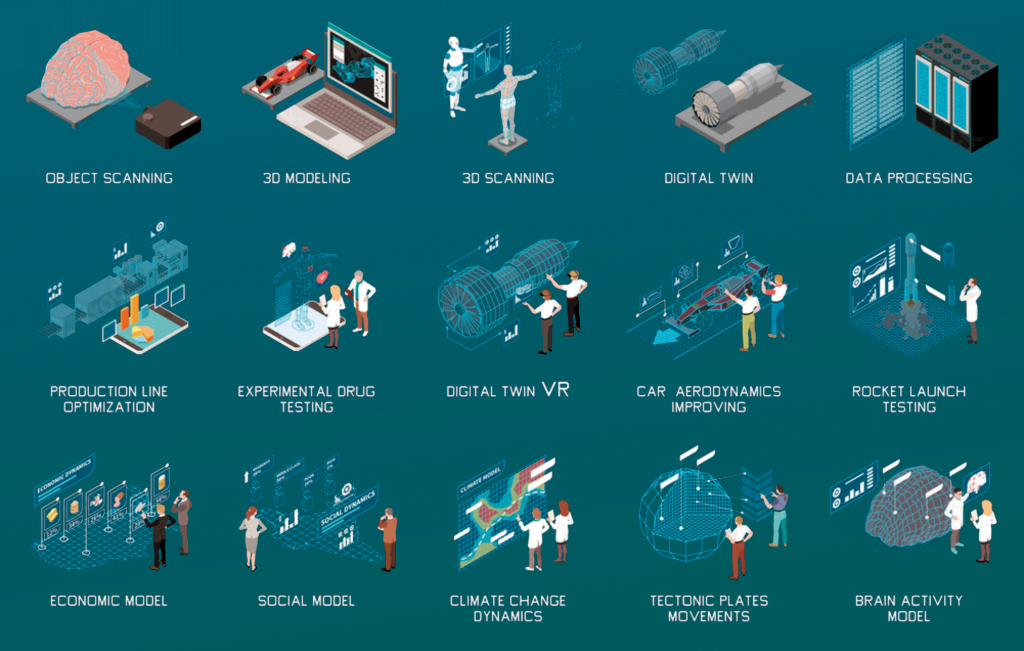
In the manufacturing industry, digital twins enable the simulation of entire production lines, process optimization, and equipment monitoring. This results in higher operational efficiency and reduced downtime.
⚡ Energy Sector
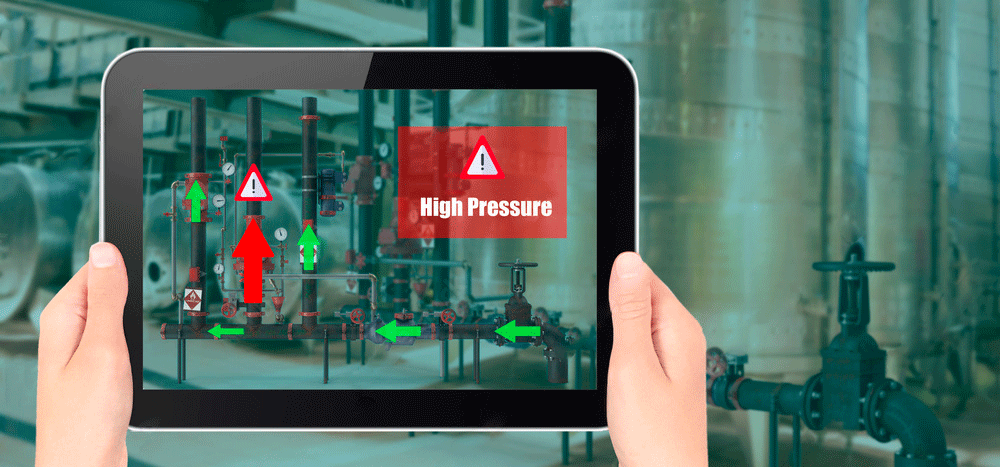
Energy companies use digital twins to monitor and manage critical infrastructures such as power plants and electrical grids. Virtual models help identify problems before they occur and optimize the performance of energy systems.
🏥 Healthcare and Medicine
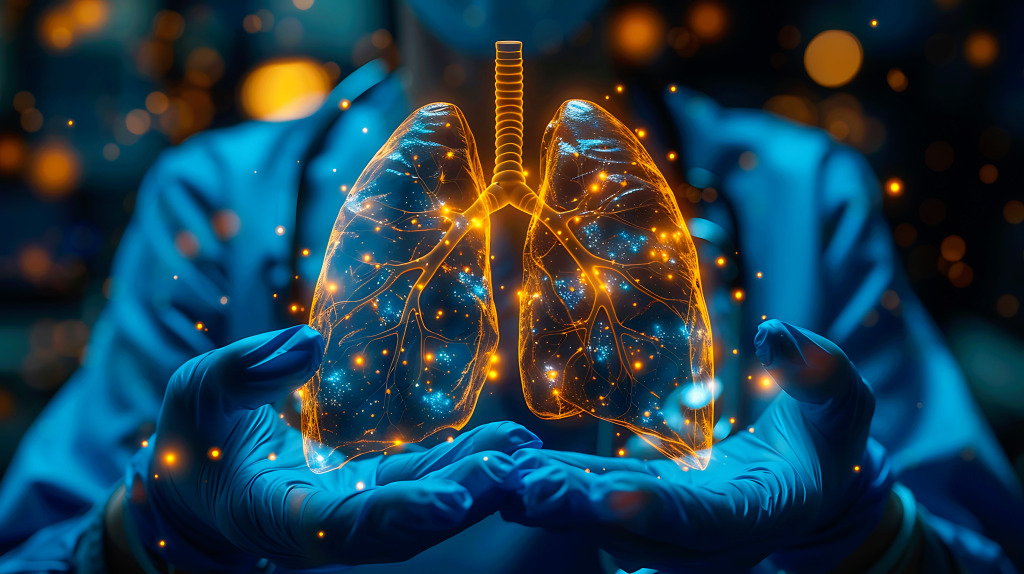
In healthcare, digital twins are used to create personalized models of human organs, allowing doctors to plan surgical procedures with greater precision and test different treatments in a virtual environment before applying them to the real patient.
🚚 Transportation and Logistics
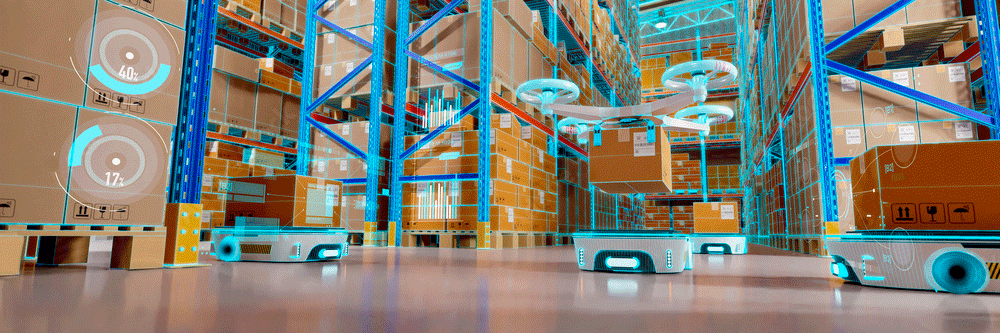
Digital twins help optimize routes, manage traffic, and improve the efficiency of public and private transportation. In logistics, they enable the simulation and enhancement of warehouse and supply chain operations.
🏢 Construction and Architecture
In construction, digital twins are used alongside Building Information Modeling (BIM) to plan and supervise projects from design to construction phases. BIM provides a detailed digital model of the building, while digital twins allow real-time simulation and monitoring. This ensures greater accuracy and efficiency in resource and time management, improving safety and energy efficiency.
🌆 Smart Cities
Smart cities use digital twins to manage urban infrastructure, monitor traffic, optimize energy use, and improve air quality. This enhances the quality of life for citizens and makes cities more sustainable.
Video de DIGITAL TWIN.mov
🎯 Benefits of Digital Twins
- 👉 Cost Reduction: By predicting failures and optimizing processes, digital twins can significantly reduce operational costs.
- 👉 Performance Optimization: Provide precise data and simulations that enable informed decision-making.
- 👉 Accelerated Innovation: Facilitate experimentation and testing of new ideas without risks to physical assets.
- 👉 Operational Efficiency: Allow more efficient management of resources and processes.
⚠️ Challenges and Considerations
🔒 Data Security
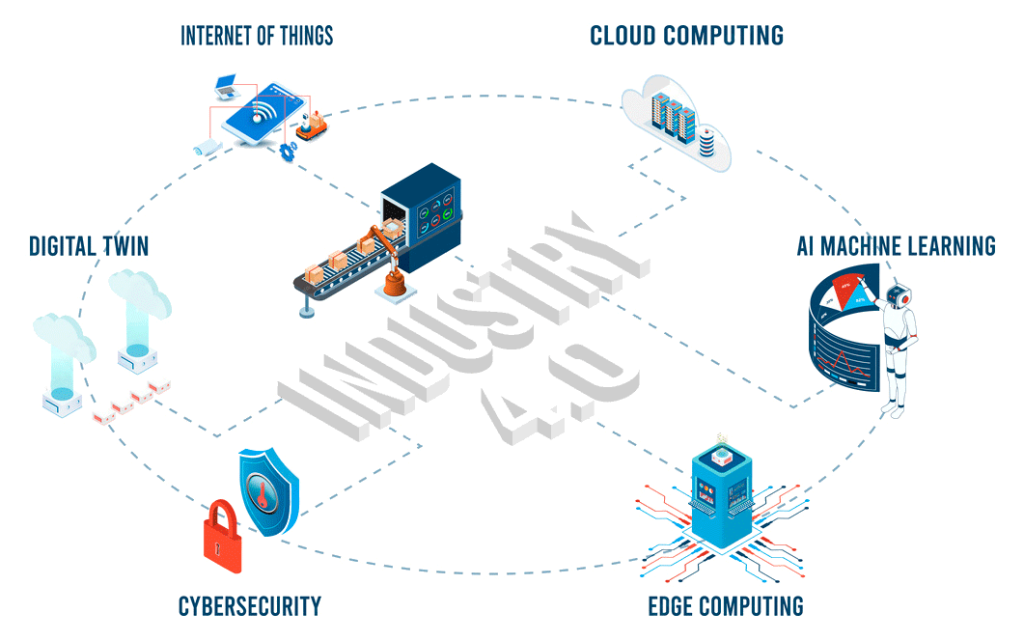
Integrating digital twins requires the transmission of large amounts of real-time data, which poses security risks. It is crucial to implement robust cybersecurity measures to protect this data.
💸 Complexity and Cost of Implementation
While the development and maintenance of a digital twin may involve an investment in technology and specialized knowledge, it is important to highlight that these challenges can be effectively managed with adequate planning and a well-defined strategy. Collaboration among all members of the company is essential to ensure that the process is smooth and successful. Aligning goals and working together towards a common objective not only facilitates implementation but also maximizes long-term benefits.
🔄 Interoperability
The effectiveness of digital twins depends on the ability to integrate with other systems and technologies. Ensuring interoperability between different platforms and devices is a key challenge, but with proper planning and selection of compatible technologies, this challenge can be successfully overcome.
🔮 The Future of Digital Twins
The future of digital twins is promising. With advancements in technologies such as artificial intelligence, the Internet of Things (IoT), 5G, and BIM, digital twins are expected to become even more sophisticated and accessible. Their application will expand to new sectors, transforming the way we interact with the physical and digital worlds.
🏆 Conclusion
Digital twins represent a significant leap in the ability to simulate, monitor, and optimize the physical world. From manufacturing to healthcare and smart cities, their impact is vast and growing. As we overcome technical and security challenges with careful planning and effective collaboration, digital twins are poised to redefine efficiency and innovation across multiple industries.
#DigitalTwins #Industry4 #Technology #Innovation #Simulation #Monitoring #Optimization #SmartCities #Health #Construction #Logistics #Energy #DigitalFuture